Choosing the right packaging material is like picking the right suit for a big presentation—if you look sharp, the world takes notice. But unlike a blazer, the material you pick must protect, present, and persuade all at once. In this article, we’ll walk through the key steps to decide how to choose a packaging material that is premium, with a touch of humor and a dash of wisdom.
Understanding the Role of Premium Packaging
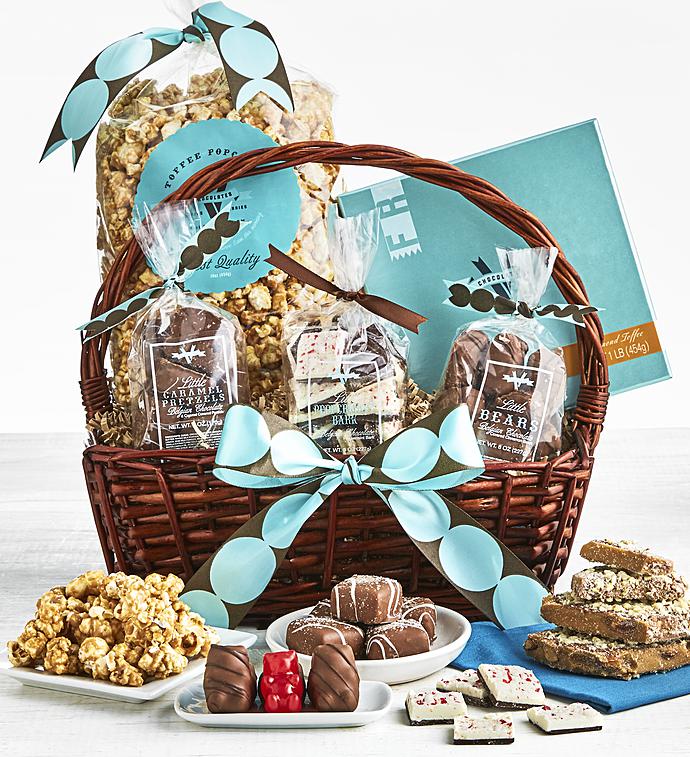
Premium packaging isn’t just about glossy finishes; it’s the first impression that can make or break a product’s perception. http://www.video-bookmark.com/user/amarisgyhu Think of it as the wrapper around a high‑end chocolate bar: the texture, scent, and even the weight can convince a shopper that the inside is worth the price.
Why Premium Matters
- Brand equity: A well‑designed package signals quality. Consumer trust: High‑grade materials reduce the risk of damage. Environmental perception: Premium often aligns with sustainable choices.
Common Misconceptions
- Premium equals expensive: Not always true; material choice and design can balance cost. All premium is recyclable: Some luxury materials may not be, so double‑check certifications.
Key Factors to Evaluate
When you ask yourself “how to choose a packaging material that is premium,” start with these foundational criteria.
1. Product Protection
A premium package must guard its contents. Imagine sending a fragile crystal vase in a flimsy bag—no one likes that.
- Impact resistance: Look for materials with high crush strength. Moisture barrier: Especially important for food or electronics. Thermal insulation: Keeps temperature‑sensitive items stable.
2. Aesthetic Appeal
The look and feel of the packaging can be as important as its function.
- Texture: Matte, glossy, or embossed surfaces convey different messages. Color fidelity: Premium inks maintain vibrancy over time. Finish: Spot UV or foil stamping can add a subtle luxury touch.
3. Sustainability Credentials
Modern consumers love a green story, and premium packaging can be eco‑friendly too.
- Recycled content: Check for % recycled fibers or post‑consumer waste. Biodegradable options: PLA or biopolymers are gaining traction. Certifications: FSC, Cradle to Cradle, or EU Ecolabel add credibility.
4. Cost vs. Value
Premium doesn’t always mean pricey. It’s about the value delivered per dollar.
- Unit cost: Compare bulk rates across suppliers. Lifecycle cost: Consider durability and reusability. Return on investment: Higher shelf presence can justify a premium price point.
Material Options and Their Trade‑Offs
Let’s explore the most common materials used for premium packaging, highlighting their strengths and potential pitfalls.
Paperboard (Corrugated, Cardboard)
- Pros: Excellent strength, recyclable, versatile for custom printing. Cons: Can be heavy, moisture sensitivity unless coated.
PET (Polyethylene Terephthalate)
- Pros: Clear, strong, lightweight, good for showcasing products. Cons: Limited biodegradability, recycling rates vary by region.
High‑Density Polyethylene (HDPE)
- Pros: Durable, inexpensive, recyclable, good for food safety. Cons: Less visually appealing than PET or paperboard.
Biodegradable Polymers (PLA, PHA)
- Pros: Compostable, appealing to eco‑conscious buyers. Cons: Higher cost, may require special disposal facilities.
Metal Foils (Aluminum, Tin)
- Pros: Excellent barrier properties, luxurious feel. Cons: Heavier, higher cost, limited recyclability in some areas.
Glass
- Pros: Premium perception, reusable, inert. Cons: Fragile, heavy, higher shipping costs.
Practical Steps to Make the Final Decision
Now that you’ve got the lay of the land, here’s a step‑by‑step method to choose the best premium material for your product.
1. Define Your Product’s Needs
- What are the physical stresses (drop, vibration, heat)? Is the product perishable or sensitive to light?
2. Set Your Brand Voice
- Luxury and elegance? Go for matte paperboard with foil stamping. Eco‑luxury? Consider recycled paperboard or biodegradable polymers.
3. Budget and Timeline
- Short‑term launch? Prioritize materials with quick lead times. Long‑term strategy? Invest in durable, reusable packaging.
4. Prototype and Test
- Create small batches with different materials. Test for strength, moisture, and visual appeal. Gather feedback from focus groups or early adopters.
5. Verify Supplier Credentials
- Ask for material certifications. Request samples and technical data sheets. Check their environmental policies.
6. Evaluate the Final Package
- Does it feel premium in hand? Does it protect the product under expected conditions? Is it recyclable or compostable as promised?
A Light‑Hearted Anecdote
Picture a small boutique chocolate maker who once tried to package their truffles in plain kraft paper. The result? A box that looked like a grocery bag and smelled like cardboard. The next day, the owner received a call from a high‑end boutique that rejected the product outright, citing “inadequate packaging.” The lesson? Even the sweetest treats deserve a classy wrapper.
A Quote to Keep in Mind
> “Packaging is the first point of contact with a customer; it’s not just a container, but a promise.”
> — Jane Doe, Packaging Designer
Final Thoughts: Making Your Selection Count
Choosing how to choose a packaging material that is premium is more than a technical decision—it’s a strategic move that can elevate your brand, protect your product, and resonate with today’s conscientious consumers. By balancing protection, aesthetics, sustainability, and cost, you’ll create packaging that doesn’t just hold a product but tells a story.
Now, take the next step: sketch your ideal package, research suppliers, and let the premium journey begin. Remember, a great package is the silent ambassador of your brand—make it speak volumes.